info.richporter@gmail.com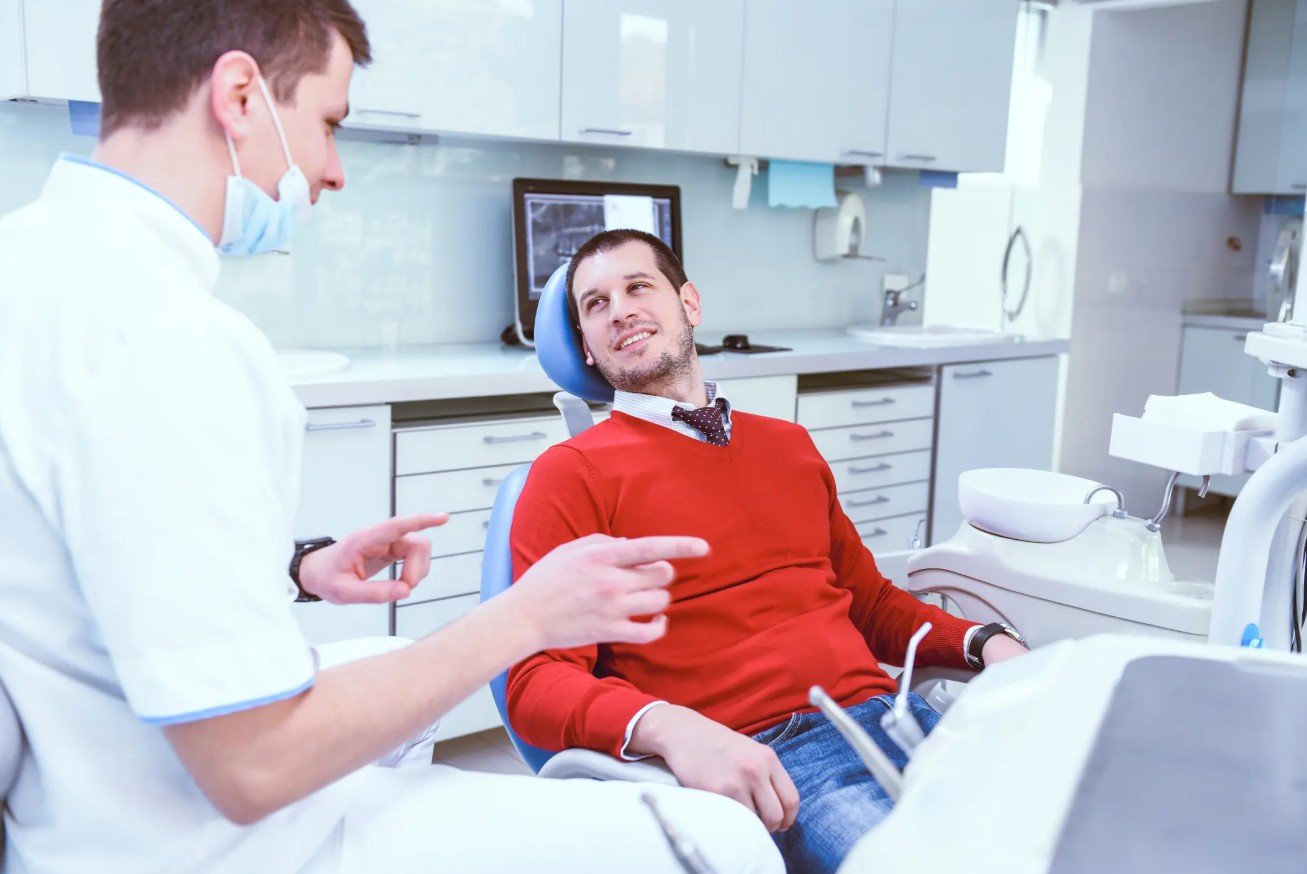
Toothache at 8 pm on a Tuesday, well past when any practice would normally pick up the phone. A few years ago, your only real option was waiting until morning and hoping someone had a cancellation. Now, the same evening, you’re sent a short form asking you to describe the pain and attach a photo of the tooth.
Ten minutes later, someone actually looks at it- not a chatbot, but an automated triage flow reviewed by a dentist in Kenilworth and tells you whether this needs to be seen first thing tomorrow, can wait until next week, or can be managed at home for now with some guidance.
That’s not a lesser version of dental care standing in for the real thing. It’s become the actual first step, and it changes what happens well before you sit in a chair.
Three Ways This Plays Out
A genuine emergency gets fast-tracked
Swelling that’s spreading, pain that’s kept someone up all night, a tooth that’s visibly cracked- a photo makes this obvious almost immediately- and the response is usually a same-day or next-morning slot rather than joining a general queue.
A manageable problem gets a realistic timeline
Mild sensitivity, a small chip that isn’t causing pain, a filling that looks slightly worn- these often don’t need urgent chair time at all. Triage can say so directly, with guidance on what to watch for in the meantime, which saves an unnecessary emergency booking for something that was never actually urgent.
An ambiguous case still gets seen properly, just sooner
Not every photo gives a clear answer, and dentists reviewing them know it. Where something looks like it could be more serious than it appears- a dark patch that might be decay or might be staining, a loose tooth with no obvious cause- the default is to book an in-person exam rather than guess from an image. Triage narrows the timing question; it doesn’t try to replace the exam itself.
Why the Photo Changes the Appointment That Follows
The upside isn’t just getting seen faster. It’s what happens once you’re in the room. A dentist in Kenilworth who’s already reviewed a photo and read a description of when the pain started arrives with a working idea of what they’re likely dealing with, rather than starting cold. In practice, that can mean an X-ray gets scheduled as part of the same visit instead of requiring a second trip once something unexpected turns up, or that the right materials are already prepped before you’ve even sat down.
Where the Limits Actually Are
A photo can’t feel whether a tooth is loose. It can’t show what’s happening beneath the gumline, and it can’t replace an X-ray for anything involving the root or the bone. No dentist treats a virtual review as a diagnosis, and a serious symptom will always still route to an in-person exam before any treatment decision gets made. What the photo genuinely changes is the waiting and the sorting, how quickly you’re seen and how prepared that visit is, not whether you’re seen by a dentist directly at all.
Who This Helps Most
Parents are often the biggest beneficiaries, oddly enough, a quick photo of a child’s tooth after a fall, sent at 9 pm, can settle within minutes whether it’s a genuine emergency or something that can safely wait until morning, without a stressful and possibly unnecessary evening trip. People unsure whether their own symptom “counts” as urgent get a similarly fast, specific answer instead of guessing and either under- or over-reacting. And for straightforward cosmetic concerns, a chipped edge, a colour change, triage can sometimes settle the question of urgency without any appointment at all.
A Local Example of How It’s Used
Andrew Lee Dental Practice runs late evening and weekend appointments as a standard part of its schedule, which is exactly the kind of access this triage step complements rather than competes with. A message sent well outside normal daytime hours doesn’t sit unread until someone’s back at a desk the next morning, it gets reviewed and answered, and by the time the practice opens, a decision on urgency has usually already been made. For anyone closer to Kenilworth than the practice’s Lillington base, that responsiveness often matters more than the short extra drive.
Getting the Most Out of It
A clear photo, taken in good light from more than one angle if possible, gives a dentist far more to work with than a rushed, blurry one. Mentioning specifically when the pain started, what triggers it, and whether it’s gotten worse or stayed the same helps narrow things down faster than a general “it hurts” ever will.
The Bottom Line
The first real step in seeing a dentist in Kenilworth increasingly starts on your phone, not in a waiting room, and that’s a genuine improvement in how quickly a real problem gets prioritised, not a shortcut around proper care. The in-person exam hasn’t gone anywhere. It’s just arriving better informed, and often faster, than it used to.