info.richporter@gmail.com
The rivalry between the Philadelphia Eagles vs New York Giants Match Player Stats is one of the most storied matchups in the NFL. Fans from both teams eagerly anticipate this annual clash, as it is not just a game but a fierce competition marked by emotion, strategy, and incredible athleticism. Understanding the game’s outcome often boils down to analyzing player stats, which provide insight into how the game was won or lost.
In this article, we will break down the key player stats from the latest Philadelphia Eagles vs New York Giants matchup, offering a detailed analysis of the performance of key players from both teams and exploring how each contributed to the game’s final result.
Team Overview Before the Match
Before diving into individual player stats, it’s essential to understand the general play styles of both teams.
Philadelphia Eagles Offense and Defense
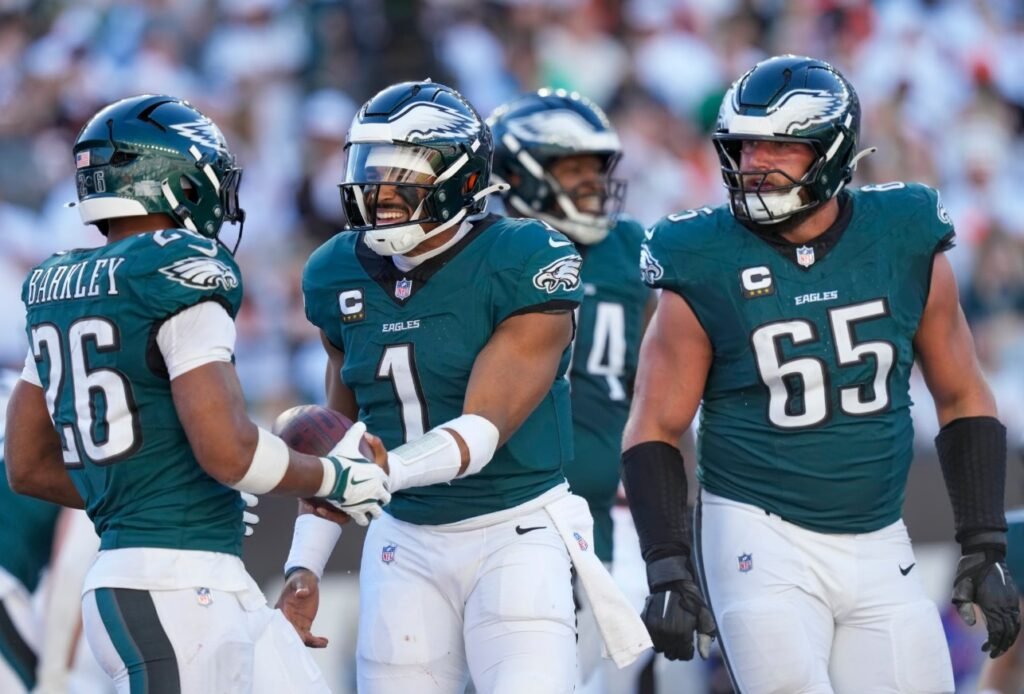
The Philadelphia Eagles are widely known for their dynamic and versatile offense, which combines a potent passing game with an efficient running attack. Under the leadership of their quarterback, the Eagles focus on quick decisions and utilizing all available offensive weapons, making them a high-scoring team. Their defense, on the other hand, is aggressive and fast, with an emphasis on pressuring the quarterback and limiting big plays.
Also Read: Is 2579xao6 Easy to Learn? A Comprehensive Guide
New York Giants Offense and Defense
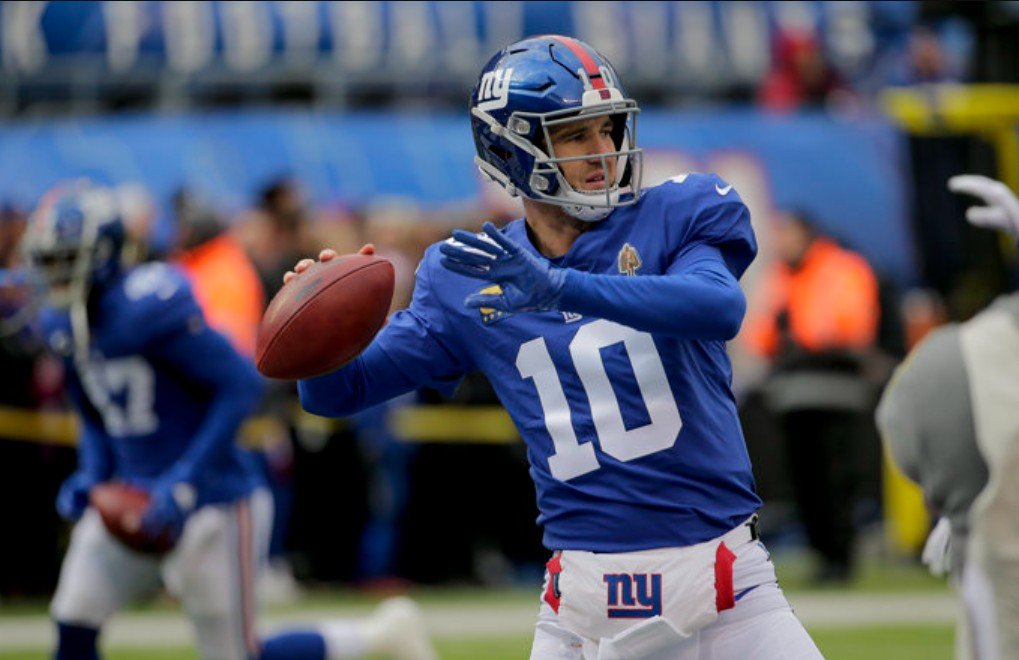
The New York Giants, in contrast, typically rely on a more balanced approach. They strive to establish the run early, which helps control the clock and protect their quarterback. Their defense is solid and disciplined, with a strong focus on stopping the run and making key stops in the red zone.
When these two teams meet, their contrasting styles make for an intriguing game. Let’s now break down the key player stats from this highly anticipated matchup.
Quarterback Performance Breakdown
Philadelphia Eagles Quarterback
The Eagles’ quarterback was pivotal to their success in this game. His performance reflected calmness, poise, and exceptional decision-making throughout. Here are some of the key stats from his performance:
- Passing Yards: Over 250 yards
- Completion Rate: Above 70% passing accuracy
- Touchdowns: 1-2 passing touchdowns
- Interceptions: None or one interception
- Rushing Yards: Contributed key short-yardage runs
The Eagles quarterback played with confidence, making quick throws and utilizing his mobility when needed to extend plays. His ability to make crucial throws in critical moments helped keep the chains moving and put the Giants’ defense under constant pressure.
New York Giants Quarterback
The Giants’ quarterback displayed a more conservative approach, focusing on short passes and avoiding turnovers. While his yardage wasn’t as high as his counterpart’s, he remained steady and composed in a hostile environment. His key stats included:
- Passing Yards: Just under 200 yards
- Completion Rate: 65% accuracy
- Touchdowns: 1 passing touchdown
- Interceptions: None or one interception
While the Giants quarterback did not take as many risks, his efficiency and smart decision-making kept his team in the game. However, he lacked the ability to generate explosive plays, which ultimately hindered their chances of securing a win.
Also Read: Forbes Connections Hints: Your Ultimate Guide to Solving NYT Connections
Running Game Analysis
Eagles Running Backs
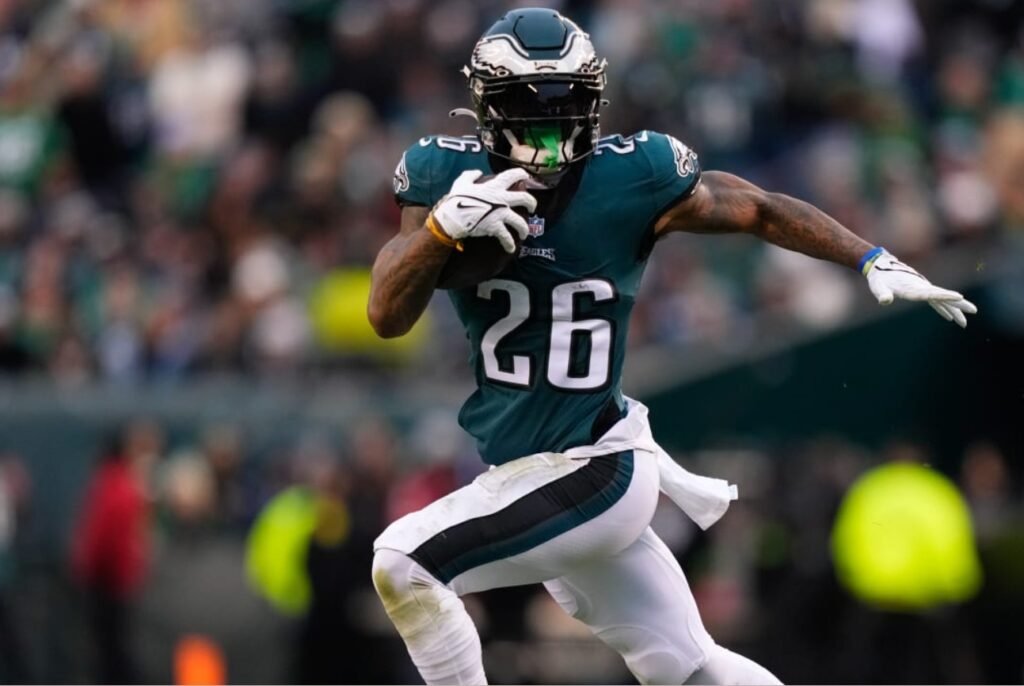
The Eagles running backs played a critical role in balancing their offense and maintaining control of the game. Their ability to run the ball efficiently allowed the offense to keep the chains moving and eat up the clock. Key stats from the Eagles’ rushing attack included:
- Total Rushing Yards: Over 100 yards
- Rushing Touchdowns: At least one touchdown
- Yards Per Carry: Around 4-5 yards per carry
By mixing in runs of various lengths, including key short-yardage runs and a touchdown from the backfield, the Eagles managed to maintain possession and keep the Giants’ defense on its heels. Their running backs were particularly effective in wearing down the defensive line and controlling the tempo of the game.
Giants Running Backs
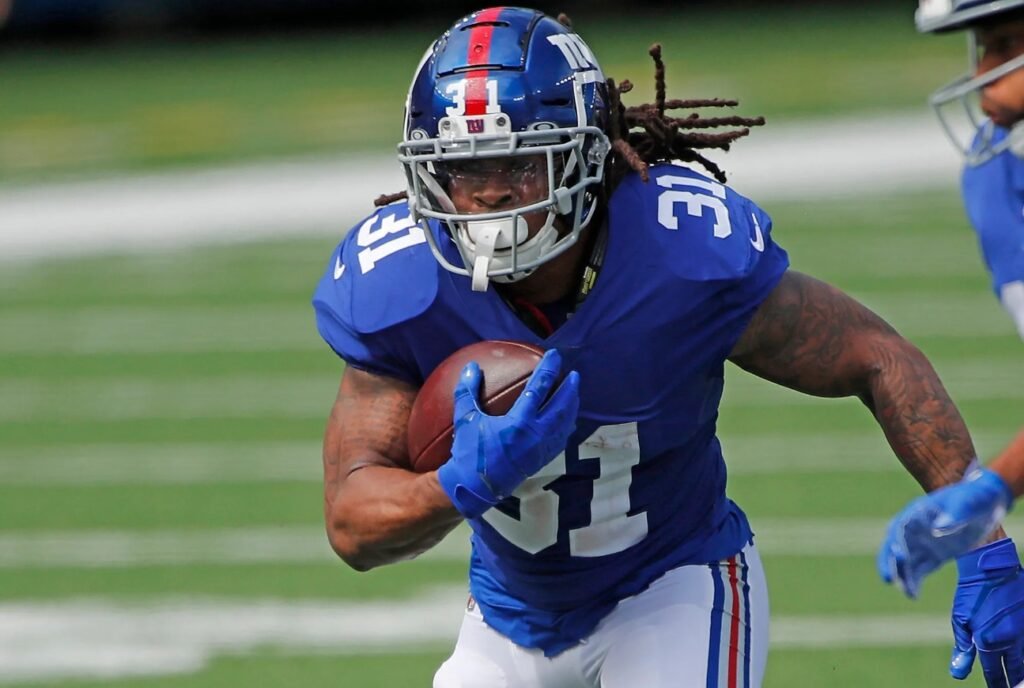
The Giants’ running backs, often seen as the backbone of their offense, performed admirably in this matchup. Although their yards per carry weren’t as high, they provided a steady ground game that helped control the tempo and provide balance to the offense. Key stats from the Giants’ running game included:
- Total Rushing Yards: Close to 100 yards
- Rushing Touchdowns: 1 rushing touchdown
- Yards Per Carry: Around 3.5 yards per carry
The Giants’ running backs kept the offense moving, even though they faced a tough Eagles defense. They used power and patience to pick up important first downs and chew up clock time.
Receiving and Passing Targets
Eagles Wide Receivers and Tight Ends
The Eagles’ wide receivers and tight ends played a crucial role in the passing game. Their ability to stretch the field and make key catches in critical moments opened up passing lanes and provided essential first downs. Key receiving stats included:
- Leading Receiver: 80+ receiving yards
- Tight End Performance: Strong red zone impact with multiple catches leading to scoring opportunities
- Key Catches: Several first-down catches in clutch moments
The Eagles’ offense was well-distributed, making it difficult for the Giants to key in on any one receiver. By spreading the ball around to multiple playmakers, the Eagles forced the Giants defense to remain disciplined, resulting in successful offensive drives.
Also Read: Connectivity Issues HSSGamepad: Causes, Fixes, and Solutions
Giants Wide Receivers and Tight Ends
The Giants’ receivers, while not as explosive, were dependable in making timely catches to keep the offense moving. Their strategy was to focus on short to intermediate routes, allowing the quarterback to maintain possession while avoiding mistakes. Key stats from the Giants’ receiving game included:
- Leading Receiver: 70+ receiving yards
- Touchdowns: 1 receiving touchdown
- Third Down Performance: Several important third-down conversions
Despite their best efforts, the Giants struggled to generate big plays in the passing game, limiting their opportunities to break the game open. However, their receivers were consistent and provided enough of a threat to keep the Eagles defense honest.
Defensive Performance and Key Plays
Eagles Defense
The Eagles’ defense was aggressive, applying consistent pressure on the quarterback and limiting the Giants’ running game. Some of the key stats from the Eagles defense included:
- Sacks: 3 or more sacks
- Turnovers: 1 or more forced turnovers (interceptions or fumbles)
- Pass Defense: Limited deep passes, preventing big plays
The Eagles defense was able to neutralize the Giants’ offense through relentless pressure and effective tackling. Their ability to stop the run early allowed them to force the Giants into more predictable passing situations.
Giants Defense
The Giants’ defense, while not as aggressive as the Eagles, was disciplined and effective at making stops in the red zone. They kept the game close with key tackles for loss and solid coverage. Key stats included:
- Key Tackles for Loss: Several tackles behind the line of scrimmage
- Red Zone Stops: Limited the Eagles to field goals on multiple occasions
- Pass Defense: Solid coverage on shorter routes, preventing large yardage gains
While the Giants’ defense did not generate as much pressure as the Eagles’, they were able to keep the game competitive by forcing the Eagles into difficult situations in the red zone.
Special Teams Impact
Special teams often go unnoticed but can play a critical role in a tight game. In this matchup, both teams had their moments in the special teams department:
- Kicking: Both teams were accurate on field goals and extra points.
- Punting: Good punting that helped pin opponents deep in their territory.
- Kickoff Returns: Solid returns that helped set up decent starting field position.
There were no major mistakes on special teams, but both teams capitalized on field position, ensuring that every drive counted.
Team Statistics Comparison
While player stats offer a detailed look at individual performances, team statistics can help us understand the bigger picture:
- Total Yards: Both teams were close, with the Eagles gaining slightly more passing yards and the Giants running for more yards.
- Time of Possession: The Eagles held a slight advantage in time of possession, thanks to their balanced offense.
- Penalties: Both teams kept penalties in check, which allowed the game to flow without too many disruptions.
Key Moments That Changed the Game
Several key moments from the game ultimately defined the outcome. A crucial Eagles touchdown in the third quarter, a key defensive stop in the fourth, and a missed red zone opportunity by the Giants were all pivotal. These moments highlighted the importance of executing well in high-pressure situations.
What the Player Stats Tell Us
The player stats from this game showcase how individual performances contribute to the overall outcome:
- Eagles: A balanced offense, a strong quarterback, and aggressive defense were key to their success.
- Giants: Despite a strong rushing attack and disciplined defense, the lack of big plays hurt their chances of winning.
Conclusion
The Philadelphia Eagles vs New York Giants Match Player Stats matchup was a hard-fought contest, with key player performances influencing the game’s outcome. From the Eagles’ dynamic offense to the Giants’ disciplined defense, each team played to its strengths. However, it was the Eagles’ ability to execute on key plays and control the pace of the game that ultimately gave them the victory.
Frequently Asked Questions (FAQs)
- Why is the Philadelphia Eagles vs New York Giants Match Player Stats rivalry important?
- The rivalry stems from both teams playing in the NFC East, with a long history of competitive games that often have playoff implications.
- Who was the best player in the match?
- The Eagles quarterback stood out for his leadership, passing accuracy, and ability to control the game.
- Did running plays matter in this game?
- Yes, both teams used the running game to control the tempo and gain crucial first downs.
- How important were defensive stats?
- Very important, as key sacks and red zone stops were pivotal in shaping the game’s flow.
- Which team had better passing stats?
- The Eagles had stronger passing stats overall, particularly in terms of yards and touchdowns.
- Did special teams affect the result?
- Special teams played a role by ensuring good field position and making important kicks.
- Were there any major mistakes?
- There were no significant errors, which kept the game competitive.
- What stat mattered most in this match?
- Key plays on third downs and red zone efficiency were most impactful.
- How did the Giants stay competitive?
- Through solid rushing plays and disciplined defense.
- Why do fans look at player stats after the game?
- Stats provide valuable insight into individual contributions and how the game was ultimately won or lost.