info.richporter@gmail.com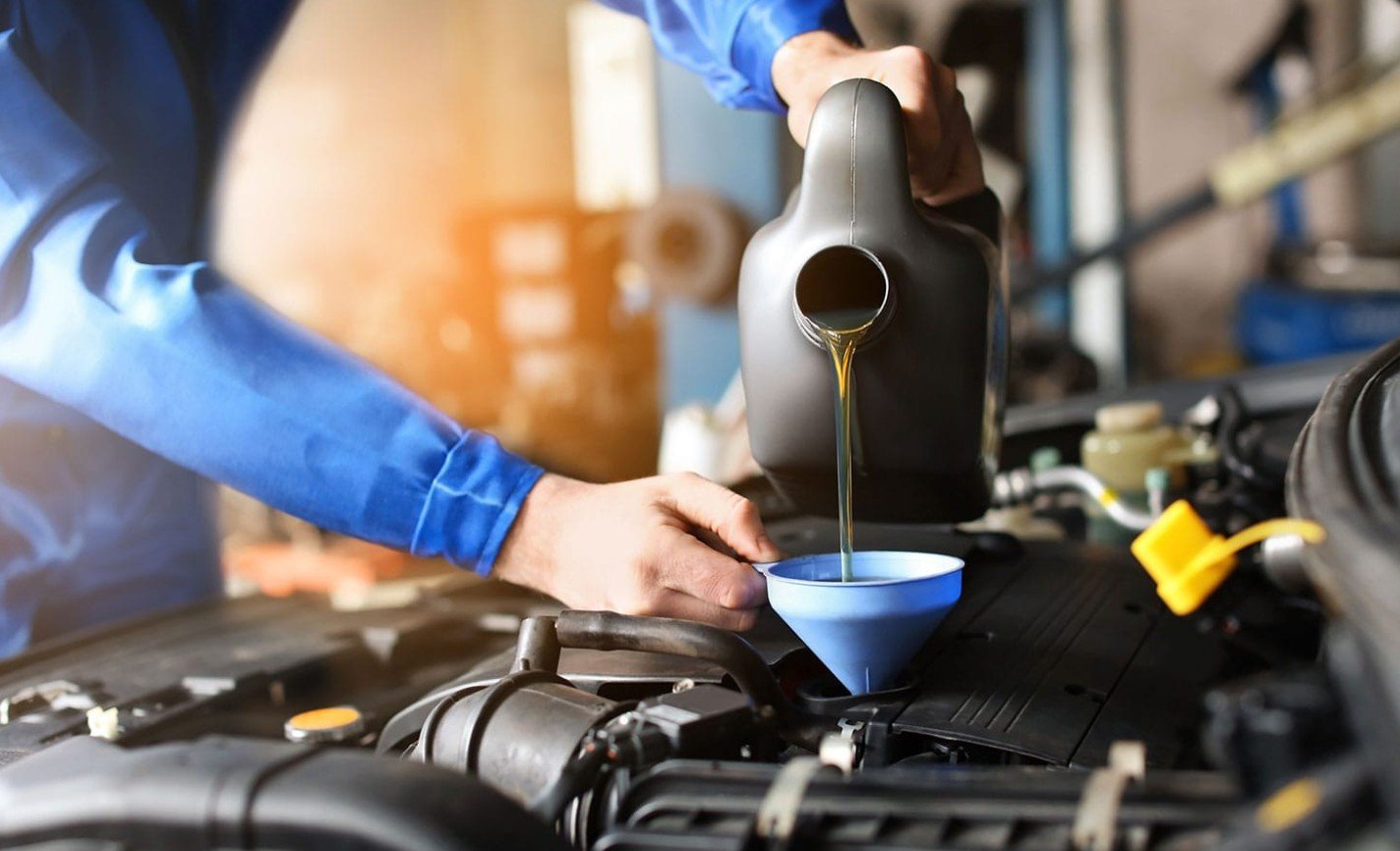
Regular oil changes are one of the simplest yet most critical maintenance tasks for keeping your vehicle running smoothly. Knowing how to change oil properly can extend the life of your engine, improve fuel efficiency, and prevent costly repairs. Whether you’re a beginner or a DIY enthusiast, understanding each step—from warming the engine to safely disposing of old oil—is essential for safe and effective vehicle maintenance.
Oil lubricates your engine’s moving parts, reducing friction and preventing overheating. Over time, it becomes contaminated with dirt, metal particles, and other debris, which reduces its effectiveness. Changing the oil regularly ensures your engine performs optimally and can help you avoid mechanical failures that might result in expensive repairs.
Preparing for an Oil Change
Before diving into the actual procedure, preparation is crucial. Gathering the right tools and understanding the process will save time and prevent mistakes. Essential tools include a wrench for the drain plug, a new oil filter, the correct type and amount of motor oil, a funnel, gloves, and a drain pan. Safety equipment, such as jack stands or ramps, is also necessary if you need to lift your vehicle.
Choosing the correct oil is just as important as the process itself. Consult your vehicle’s owner manual to identify the recommended viscosity and oil type. Using the wrong oil can reduce engine efficiency and even cause long-term damage.
Warming the Engine for an Efficient Oil Change
One of the first steps in learning how to change oil is to warm the engine. Running the engine for a few minutes increases the oil temperature, making it less viscous and easier to drain. Warm oil flows more smoothly and carries contaminants out of the engine more efficiently. However, avoid overheating the engine; it should be warm to the touch, not scalding. Always handle the oil and engine components carefully to prevent burns.
Safely Lifting the Car (If Needed)
Depending on your vehicle, accessing the oil drain plug and filter may require lifting the car. Safety is paramount. Never rely solely on a jack; always use jack stands or ramps to secure the vehicle. Ensure the car is on a flat, stable surface and engage the parking brake to prevent movement. If your car has low ground clearance, ramps can be a safer alternative, providing more space to work underneath without compromising stability.
Draining the Old Oil from the Drain Plug
With the car secured and the engine warmed, the next step in how to change oil is draining the old oil. Place a drain pan underneath the oil pan, then carefully remove the drain plug using a wrench. Allow the oil to flow completely into the pan. This process typically takes a few minutes, depending on the engine size and oil condition. Be mindful of the hot oil, and avoid skin contact. Inspect the drain plug for metal shavings or damage, as this can indicate engine wear.
Proper disposal of used oil is critical for environmental safety. Collect the drained oil in a sealed container and take it to a local recycling center or auto parts store that accepts used motor oil. Never pour it down drains or onto the ground, as it is highly toxic and can contaminate soil and water.
Replacing the Oil Filter
Once the oil has drained, it’s time to replace the oil filter. The oil filter traps dirt, metal fragments, and other contaminants, preventing them from circulating in the engine. Locate the filter, and carefully remove it using an oil filter wrench if necessary. Before installing the new filter, apply a thin layer of new oil to the gasket. This ensures a proper seal and prevents leaks. Screw the filter in place by hand until snug; avoid over-tightening, which can damage the gasket or filter housing.
Replacing the oil filter regularly is critical for engine longevity. Many mechanics recommend changing it with every oil change to ensure maximum efficiency and protection.
Refilling with the Correct New Oil and Amount
After the old oil is drained and the filter replaced, refill the engine with the correct type and amount of fresh oil. Using a funnel helps prevent spills and ensures all oil enters the engine. Check your owner’s manual for the exact quantity and recommended oil type. Overfilling can cause foaming and reduced lubrication, while underfilling can starve the engine of critical lubrication, both of which can lead to severe engine damage.
Once filled, replace the oil cap securely and start the engine for a few minutes. This allows the new oil to circulate and reach all engine components. Turn off the engine and check the oil level using the dipstick. Add more oil if necessary until it reaches the proper mark.
Checking for Leaks and Ensuring Proper Function
Before completing the oil change, inspect the drain plug, oil filter, and surrounding areas for leaks. A small leak can quickly escalate into a larger problem if left unchecked. Start the engine and observe for any drips or unusual sounds. Double-check the oil level and adjust as needed.
Properly disposing of all old oil, filters, and used materials is equally important. Take them to a certified recycling center. This step not only complies with environmental regulations but also promotes responsible automotive maintenance practices.
Benefits of Regular Oil Changes
Understanding how to change oil isn’t just about maintenance—it’s about performance and longevity. Regular oil changes reduce engine wear, improve fuel efficiency, and prevent overheating. According to studies, engines with regular oil maintenance can last up to 50% longer than those with irregular oil changes. Skipping oil changes can result in sludge buildup, increased friction, and eventually, catastrophic engine failure.
Additionally, fresh oil improves fuel economy by reducing internal engine friction. For modern vehicles, a proper oil change can save hundreds of dollars annually in fuel and repairs.
Also Read: Who Is Taylor Swift? Life, Career, Music & Influence
Common Mistakes to Avoid When Changing Oil
Even experienced DIY mechanics can make mistakes during an oil change. Common errors include using the wrong oil type, over-tightening the oil filter, not securing the vehicle properly, or failing to check for leaks. Avoid these pitfalls to ensure a safe, efficient, and effective oil change.
Another common oversight is neglecting the oil filter gasket. Failing to lubricate it can lead to leaks or filter damage. Always follow manufacturer guidelines for torque specifications and oil recommendations.
Tools and Materials Checklist for an Oil Change
Before starting, ensure you have the following essentials: a socket wrench set, oil drain pan, funnel, gloves, oil filter wrench, jack stands or ramps, new oil filter, and the correct type of motor oil. Having all materials at hand streamlines the process, reduces the risk of spills or errors, and ensures you complete the job safely.
When to Change Your Oil
The frequency of oil changes varies by vehicle, driving habits, and oil type. Conventional oil typically requires changes every 3,000–5,000 miles, while synthetic oils can last 7,500–10,000 miles. Check your owner’s manual for manufacturer recommendations. Regularly monitoring oil levels and quality helps you decide when a change is necessary, preventing engine damage and maintaining optimal performance.
Environmental Considerations
Used motor oil is hazardous waste and should never be discarded improperly. Recycling centers and many auto shops accept old oil and filters, preventing soil and water contamination. By following environmentally responsible practices, you contribute to sustainability while maintaining your vehicle.
Conclusion
Learning how to change oil is a fundamental skill for any car owner. By warming the engine, safely lifting the car, draining old oil, replacing the oil filter, refilling with the correct new oil, and checking for leaks, you ensure your vehicle operates efficiently and reliably. Regular maintenance extends engine life, improves fuel economy, and prevents costly repairs. Proper disposal of used oil and filters also promotes environmental responsibility. By following this step-by-step guide, you can confidently perform oil changes while safeguarding both your car and the planet.
Frequently Asked Questions (FAQs)
How long does it take to change oil?
Most DIY oil changes take between 30–60 minutes, depending on your experience and vehicle type.
Can I use any oil for my car?
No. Always follow the manufacturer’s specifications for oil type and viscosity to prevent engine damage.
How do I know if my car needs an oil change?
Check the oil level and color regularly. Dark, dirty oil or low levels indicate a need for change. Also, follow mileage recommendations.
What should I do with used oil?
Take it to a certified recycling center or auto parts store. Never pour it down drains or on the ground.