info.richporter@gmail.com
Few household pests are as annoying and persistent as gnats. These tiny flying insects seem to appear out of nowhere, hovering around your face, invading your kitchen, and multiplying faster than expected. If you are searching for how to get rid of gnats effectively and permanently, you are not alone. Millions of homeowners deal with gnat infestations every year, especially in warm or humid conditions.
Understanding how to get rid of gnats in house environments requires more than a quick fix. It involves identifying the type of gnat, locating breeding sites, eliminating food and moisture sources, and applying targeted solutions that actually work. This in-depth guide is designed to help you eliminate gnats using science-backed methods, real-world experience, and practical strategies that align with modern pest-control best practices.
By the end of this article, you will know exactly why gnats appear, how to get rid of gnats naturally or with proven treatments, and how to keep them from coming back for good.
What Are Gnats and Why Do They Invade Homes?
Gnats is a general term used to describe several species of tiny flying insects, most commonly fruit flies, fungus gnats, and drain flies. While small in size, they can be a major nuisance when they infest indoor spaces.
Gnats are attracted to moisture, warmth, and organic material. Homes provide ideal conditions, especially kitchens, bathrooms, and areas with houseplants. According to entomology studies, a single female gnat can lay hundreds of eggs in damp organic matter, which explains why infestations seem to grow overnight.
Understanding how to get rid of gnats starts with understanding why they are there in the first place.
Common Types of Gnats Found Indoors
Fruit Flies and Their Attraction to Food Sources
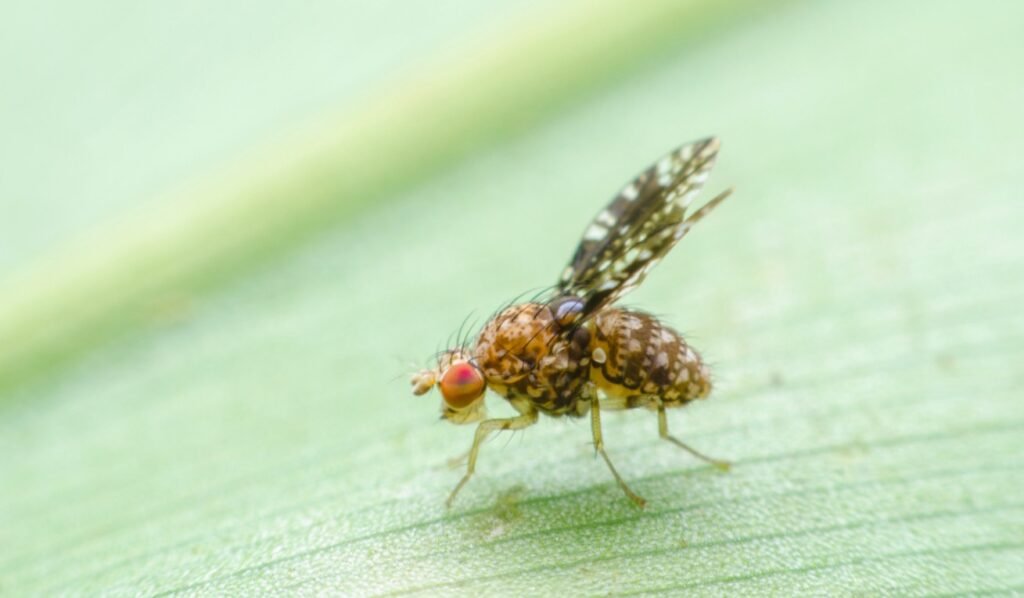
Fruit flies are among the most common gnats found indoors. They are attracted to ripening fruit, sugary residues, and fermenting organic material. Even a small amount of juice spilled on a counter can become a breeding site. Fruit flies reproduce rapidly, completing their life cycle in as little as eight days under ideal conditions.
Fungus Gnats and Houseplants
Fungus gnats are often found hovering around indoor plants. They lay eggs in moist potting soil, where larvae feed on fungi and organic matter. Overwatering plants is the most common cause of fungus gnat infestations. If you notice gnats emerging from soil, this is likely the culprit.
Drain Flies and Plumbing Issues
Drain flies, also called moth flies, thrive in the organic buildup inside drains. They are commonly found in bathrooms and kitchens and often indicate clogged or dirty plumbing. Eliminating drain flies requires addressing the source rather than just killing the adults.
How to Get Rid of Gnats in House Environments Effectively
Learning how to get rid of gnats in house settings requires a combination of immediate action and long-term prevention. Simply killing visible gnats will not solve the problem if eggs and larvae remain.
The first step is removing attractants. This means eliminating exposed food, cleaning surfaces thoroughly, and reducing moisture wherever possible. Gnats rely on organic matter to survive, so removing their food source disrupts their life cycle.
Next, targeted treatments should be applied based on the gnat type. Fruit flies respond well to traps and sanitation, fungus gnats require soil management, and drain flies need drain cleaning solutions.
Natural Methods to Get Rid of Gnats Safely
Many homeowners prefer natural solutions when learning how to get rid of gnats, especially in kitchens and homes with children or pets. Fortunately, several effective options exist.
Apple cider vinegar traps are one of the most widely used natural remedies. The fermented scent attracts gnats, while a drop of dish soap breaks the surface tension, causing them to sink. While this method does not eliminate larvae, it significantly reduces adult populations.
For fungus gnats, allowing soil to dry between waterings is one of the most effective strategies. Dry soil prevents larvae from surviving and interrupts their breeding cycle. Adding a thin layer of sand or gravel to the top of the soil can also discourage egg-laying.
Essential oils such as peppermint, eucalyptus, and tea tree oil have been shown in studies to repel certain insects. When diluted properly and used as a surface spray, they can help deter gnats without introducing harsh chemicals.
Also Read: How to Find IP Address on iPhone (Step-by-Step Guide)
Chemical and Commercial Solutions for Severe Infestations
When natural methods are not enough, commercial solutions can be used carefully. Sticky traps designed for flying insects are particularly effective for fungus gnats and fruit flies. These traps help monitor infestation levels while reducing adult populations.
Insect growth regulators are another option for severe cases. These products prevent larvae from maturing into adults, effectively breaking the reproductive cycle. According to pest control research, growth regulators are among the most effective long-term solutions when used correctly.
It is important to follow all label instructions and safety guidelines when using chemical treatments indoors.
Cleaning Strategies That Permanently Eliminate Gnats
One of the most overlooked aspects of how to get rid of gnats is deep cleaning. Gnats thrive in hidden areas that are often ignored during routine cleaning.
Kitchen sinks, garbage disposals, and drain pipes should be cleaned regularly to remove organic buildup. A combination of hot water and enzymatic cleaners can break down residue that attracts gnats. Enzyme-based cleaners are particularly effective against drain flies because they eliminate the biofilm where larvae develop.
Refrigerators should be checked for spoiled produce, and trash bins should be cleaned and dried frequently. Even recyclable containers can harbor residues that attract gnats if not rinsed properly.
How to Prevent Gnats from Returning
Prevention is the final and most important step in mastering how to get rid of gnats permanently. Once the infestation is under control, maintaining a gnat-free environment requires consistency.
Proper food storage is essential. Fruits should be stored in the refrigerator if gnats are a recurring issue. Airtight containers help prevent odors from attracting insects.
Managing moisture is equally important. Fixing leaky faucets, improving ventilation, and avoiding overwatering plants significantly reduce the conditions gnats need to survive. Studies show that moisture control alone can reduce indoor pest activity by more than forty percent.
Regular monitoring is also key. Catching a few gnats early prevents a full-scale infestation later.
Seasonal Factors That Influence Gnat Infestations
Gnats are more active during warmer months, particularly spring and summer. Higher temperatures accelerate their life cycle, leading to faster population growth. Humidity also plays a significant role, which is why infestations often worsen after heavy rain or in poorly ventilated spaces.
Understanding seasonal patterns helps homeowners take proactive measures. Increasing cleaning frequency and monitoring moisture during peak seasons can dramatically reduce the likelihood of infestation.
The Health and Hygiene Implications of Gnats
While gnats are not typically dangerous, they can pose hygiene concerns. Fruit flies, for example, can carry bacteria from contaminated surfaces to food preparation areas. Research published in food safety journals has shown that fruit flies can transfer pathogens such as E. coli and Salmonella.
For this reason, learning how to get rid of gnats is not just about comfort but also about maintaining a healthy living environment.
Also Read: Who Is Olympia Shields? Biography & Public Insight
How Long Does It Take to Get Rid of Gnats?
The timeline for eliminating gnats depends on the severity of the infestation and how thoroughly the source is addressed. Minor infestations can be resolved within a few days, while larger ones may take several weeks.
Consistency is the determining factor. Removing adult gnats without addressing larvae will only provide temporary relief. When all stages of the life cycle are targeted, results are long-lasting.
Professional Pest Control: When to Consider It
In rare cases, persistent gnat infestations may require professional intervention. This is especially true when gnats are linked to hidden plumbing issues or structural moisture problems.
Professional pest control services use specialized equipment and treatments that target breeding sites not easily accessible to homeowners. While this option involves higher upfront costs, it can save time and prevent recurring infestations in the long run.
Conclusion: The Most Effective Way to Get Rid of Gnats for Good
Learning how to get rid of gnats is about more than killing a few flying insects. It requires understanding their behavior, eliminating attractants, and creating an environment where they cannot thrive. Whether you are dealing with fruit flies in the kitchen, fungus gnats in houseplants, or drain flies in the bathroom, the solution lies in addressing the root cause.
By combining proper sanitation, moisture control, targeted treatments, and preventive habits, you can get rid of gnats in house environments permanently. With consistency and awareness, a gnat-free home is entirely achievable.