info.richporter@gmail.com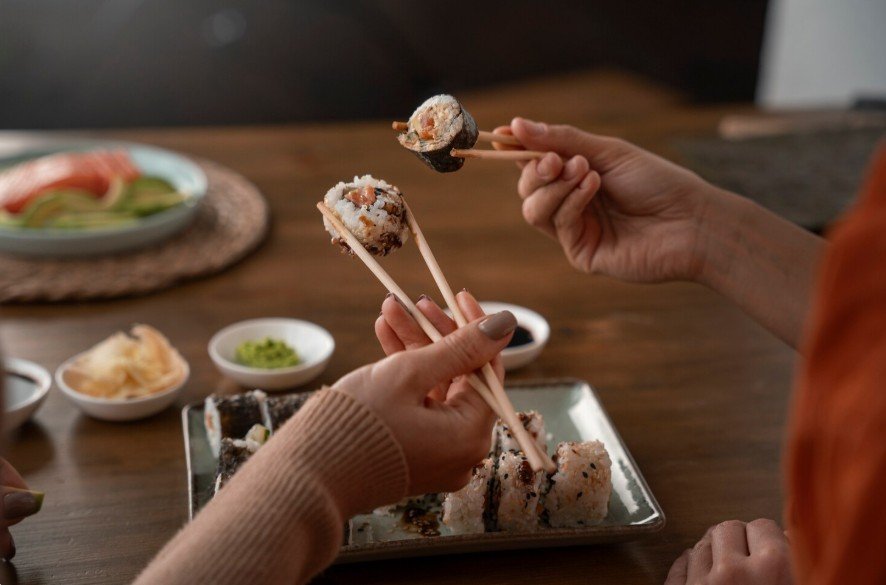
Learning how to use chopsticks is a skill that blends tradition, coordination, and cultural appreciation. For many people encountering chopsticks for the first time, they can feel awkward or intimidating. Yet with the right guidance and a bit of practice, anyone can master this timeless utensil. This in-depth guide is designed to show you how to use chopsticks easy, while also explaining their history, cultural significance, proper techniques, and common mistakes to avoid.
Chopsticks are used daily by billions of people across East Asia and around the world. Understanding how to use chopsticks is not only practical for enjoying Asian cuisines but also a sign of cultural respect and adaptability. This article draws on culinary expertise, cultural research, and hands-on experience to provide a trustworthy and authoritative resource that meets modern SEO and helpful content standards.
Understanding Chopsticks and Their Cultural Importance
Chopsticks are more than simple eating tools. They have a history spanning over three thousand years, originating in ancient China before spreading to Japan, Korea, Vietnam, and beyond. Today, chopsticks are an essential part of everyday life in many cultures and a symbol of harmony and balance.
In Chinese culture, chopsticks are associated with harmony because they come in pairs and are used together. In Japanese dining, chopstick reflect attention to detail and etiquette. Korean chopstick, often made of metal, highlight durability and communal dining traditions. Learning how to use chopsticks easy begins with understanding that these utensils are deeply connected to cultural identity and dining philosophy.
From a practical standpoint, chopsticks encourage slower eating, smaller bites, and greater mindfulness. Studies in behavioral nutrition have shown that eating with utensils that require precision can reduce overeating and improve digestion. This makes learning how to use chopsticks not just a cultural skill but also a potentially healthy habit.
Choosing the Right Chopsticks for Beginners
Before focusing on technique, selecting appropriate chopsticks is crucial. Beginners often struggle because they start with chopsticks that are too slippery, too long, or too smooth.
Wooden or bamboo chopsticks are ideal for beginners because they provide better grip and control. Plastic chopsticks with textured tips can also be helpful when learning how to use chopsticks easy. Metal chopstick, while common in Korea, are usually more challenging for beginners due to their smooth surface and weight.
Length matters as well. Chopsticks that are approximately the length from your wrist to the tip of your middle finger tend to feel most comfortable. Oversized chopstick can make coordination difficult, while very short ones limit control.
By starting with the right tools, you significantly reduce frustration and make the learning process smoother and more enjoyable.
How to Hold Chopsticks Correctly
The foundation of learning how to use chopsticks is mastering the proper grip. While styles vary slightly across cultures, the basic principle remains consistent.
One chopstick stays stationary and acts as a base. This chopstick rests against the base of your thumb and the side of your ring finger. It should not move during use. The second chopstick is the active one. It rests between the thumb, index finger, and middle finger, similar to holding a pencil.
The key to using chopsticks easy is realizing that only the top chopstick moves. Beginners often try to move both chopstic together, which leads to clumsy and ineffective gripping. With practice, the movement of the top chopstick becomes natural and precise.
Maintaining a relaxed grip is also essential. Tension in the fingers makes control harder and causes fatigue. Chopsticks should feel like an extension of your hand rather than a rigid tool you are forcing to behave.
Also Read: How to Recall an Email in Outlook: Step-by-Step Guide
Basic Chopstick Movements Explained Simply
Once you understand the grip, the next step in learning how to use chopsticks is practicing the opening and closing motion. This movement is driven primarily by the index and middle fingers, while the thumb provides stability.
The stationary chopstick remains still as the top chopstick moves up and down. This creates a pincer-like motion that allows you to grasp food. Beginners often find it helpful to practice this motion without food at first, opening and closing the chopsticks until the movement feels smooth and controlled.
When picking up food, aim to grip gently but firmly. Excessive pressure can cause food to slip or break apart, especially with delicate items like tofu or fish. With experience, you will develop a sense of how much pressure is needed for different foods.
Practicing with larger, firmer foods such as pieces of vegetables or dumplings can help build confidence before moving on to smaller or more slippery items like noodles or rice.
How to Use Chopsticks Easy with Different Types of Food
Different foods require slightly different approaches, and understanding this can greatly improve your chopstick skills.
When eating rice, especially short-grain rice common in East Asian cuisines, it is acceptable to lift the bowl closer to your mouth and use the chopsticks to gently push rice in small portions. This method is traditional and makes eating rice much easier.
Noodles are often considered challenging for beginners. The key is to lift a manageable portion and avoid grabbing too much at once. Twirling noodles is not traditional, but gently gathering them with chopstick and lifting them steadily works well. Slurping noodles, especially in Japanese cuisine, is culturally acceptable and even encouraged as a sign of appreciation.
For solid foods like meat or vegetables, aim to grip at the center of the piece for balance. If the food is too large, it is perfectly acceptable in many cuisines to use chopsticks to separate it into smaller pieces before eating.
Understanding these subtle differences helps reinforce how to use chopsticks easy in real dining situations.
Common Mistakes Beginners Make and How to Fix Them
Many people struggle with chopsticks because of a few common mistakes. Recognizing and correcting these issues early can accelerate your progress.
One frequent mistake is holding the chopstick too close to the tips. This limits leverage and control. Holding them slightly higher allows for smoother movement and better precision.
Another mistake is gripping too tightly. This often leads to hand fatigue and awkward movements. Relaxing your hand and trusting the motion of the fingers makes a noticeable difference.
Crossing the chopsticks is also a common issue. This usually happens when the grip is incorrect or the hand position is too tense. Adjusting the position of the stationary chopstick and ensuring it rests firmly against the hand can resolve this problem.
By addressing these mistakes, you make learning how to use chopsticks a more intuitive and enjoyable experience.
Chopstick Etiquette You Should Know
Knowing how to use chopsticks is not just about technique but also about etiquette. Proper chopstick manners show respect for the culture and the people you are dining with.
In many Asian cultures, sticking chopsticks upright in a bowl of rice is considered disrespectful because it resembles incense offerings at funerals. Passing food directly from one pair of chopstick to another is also discouraged, particularly in Japanese culture, due to its association with funeral rites.
Resting chopstick across the bowl or pointing them at people is generally considered impolite. When not in use, chopstick should be placed neatly on a chopstick rest or beside the plate.
Understanding these customs enhances your confidence and ensures that your ability to use chopsticks easy is matched by cultural awareness.
Also Read: How to Get Rid of Gnats Fast and Permanently
Teaching Children How to Use Chopsticks
Children can learn how to use chopsticks surprisingly quickly, especially when introduced at a young age. Training chopstick with hinges or finger loops can help children understand the basic motion without frustration.
Starting with larger foods and encouraging a playful approach makes learning enjoyable. Many parents in East Asia introduce chopstick as early as preschool age, helping children develop fine motor skills and patience.
Teaching children how to use chopsticks also fosters cultural curiosity and respect, making it a valuable life skill beyond the dining table.
Health and Cognitive Benefits of Using Chopsticks
Using chopsticks engages fine motor skills and hand-eye coordination in a way that forks and spoons do not. Research in neuroscience suggests that activities requiring precise finger movements can stimulate brain development and improve dexterity.
Eating with chopstick can also encourage slower eating, which has been linked to improved digestion and better appetite control. By taking smaller bites and focusing on the act of eating, people often become more mindful of their meals.
These benefits add another layer of motivation for those learning how to use chopsticks easy, showing that the skill extends beyond cultural interest into overall well-being.
Practicing Chopsticks at Home with Simple Exercises
Practice is essential when learning how to use chopsticks. Simple exercises at home can help build confidence and muscle memory.
Picking up small household items such as beans or pieces of pasta can improve precision. Transferring items from one bowl to another using chopstick is another effective way to practice control.
Consistency matters more than speed. Even a few minutes of daily practice can lead to noticeable improvement over time. As your confidence grows, using chopstick in restaurants or social settings becomes far less intimidating.
Why Learning How to Use Chopsticks Matters in a Global World
In today’s interconnected world, cultural literacy is increasingly valuable. Knowing how to use chopsticks is a small but meaningful way to demonstrate openness and respect for other cultures.
Whether you are traveling, dining with international friends, or exploring global cuisines at home, chopstick are often part of the experience. Being comfortable with them enhances your enjoyment and helps you feel more at ease in diverse social situations.
Learning how to use chopsticks easy is not about perfection but about willingness to learn and engage with different traditions.
Conclusion: Mastering How to Use Chopsticks Easy
Learning how to use chopsticks is a rewarding journey that combines skill, culture, and mindfulness. With the right chopstick, proper grip, relaxed movements, and consistent practice, anyone can learn how to use chopsticks easy and confidently.
Beyond the practical benefits, chopstick offer a deeper connection to centuries-old traditions and a more mindful approach to eating. By embracing this skill, you open the door to richer dining experiences and greater cultural understanding.
Whether you are a complete beginner or someone looking to refine your technique, the key is patience and curiosity. With time, chopstick will feel natural in your hand, transforming every meal into a more engaging and meaningful experience.
More Read: Rich Porter