info.richporter@gmail.com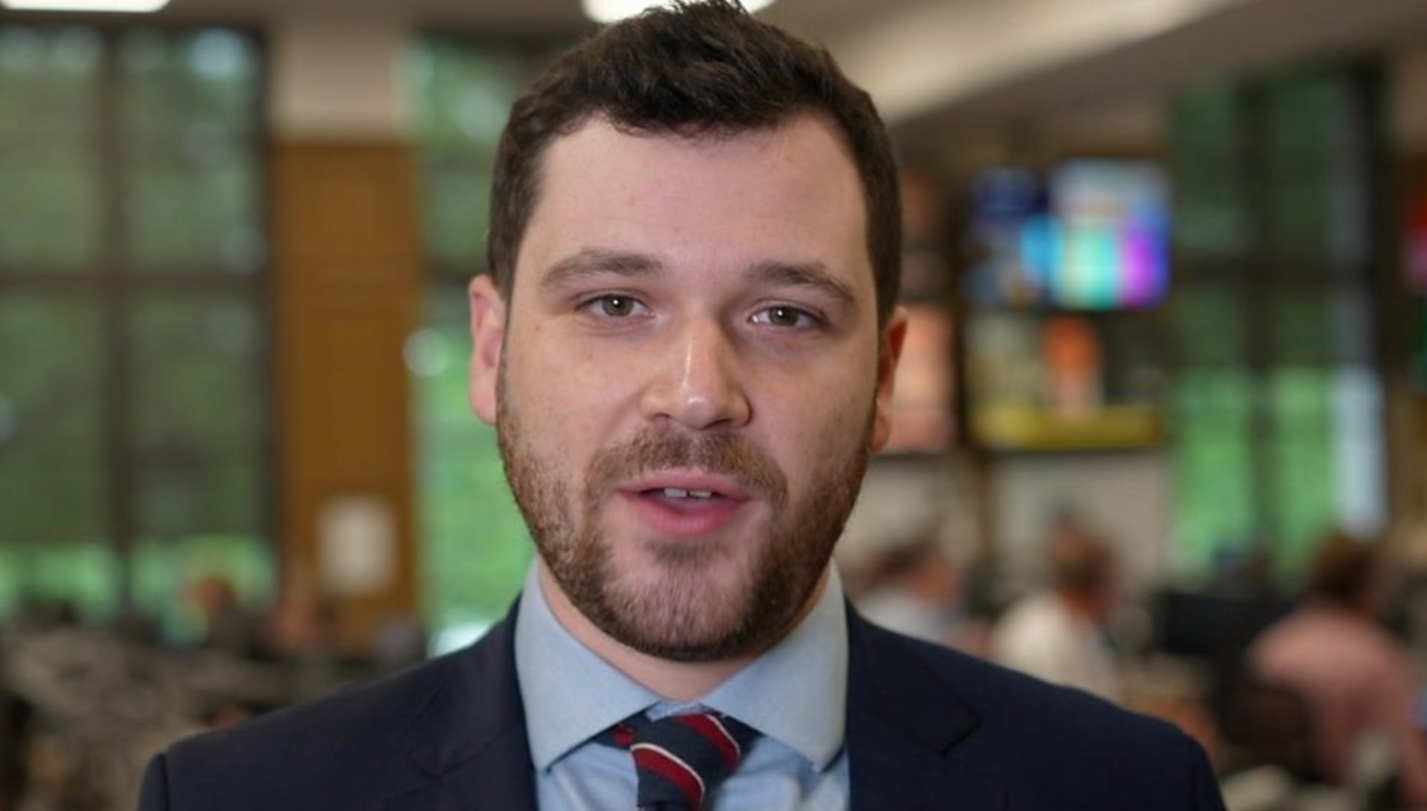
Henry Zeffman is a British political journalist best known for his work covering Westminster politics and UK government affairs, currently serving as Chief Political Correspondent at BBC News. In UK political journalism, Henry Zeffman is regarded as a key reporting voice who focuses on breaking down complex political developments into clear and accessible analysis for the public. His reporting often covers Parliament, elections, government policy, and internal political strategy, making him a central figure in modern British political news coverage.
Early Life and Academic Background of Henry Zeffman
Henry Zeffman’s early life laid the foundation for his later career in political journalism, even though he has kept much of his personal background private. What is clearly known is that he developed a strong interest in politics, public affairs, and current events from an early stage, which gradually shaped his career direction toward journalism. This early curiosity about how political systems operate became a defining feature of his professional identity as Henry Zeffman later built his reputation in Westminster reporting.
He pursued higher education at the University of Oxford, where he studied Philosophy, Politics and Economics (PPE), one of the most respected academic programs for future political analysts and journalists. His time at Oxford provided him with strong analytical skills, exposure to political theory, and the ability to evaluate complex policy issues critically. He also studied at Brasenose College, where the academic environment encouraged debate and deep thinking, further strengthening his understanding of political systems and preparing him for a career in high-level journalism.
First Steps into Journalism and Early Career Growth
Henry Zeffman began his journalism career by entering highly competitive media environments where he developed his reporting skills through political writing and news analysis. Early in his career, Henry Zeffman focused on building a strong foundation in political reporting, learning how to cover fast-moving news stories while maintaining accuracy and clarity. This stage of his career helped him gain experience in understanding how political institutions operate and how to communicate complex developments to a wider audience.
Rise at The Times and Westminster Reporting Breakthrough
Henry Zeffman’s career gained major momentum during his time at The Times, where he established himself as a skilled and reliable political journalist. Working within one of the UK’s most influential newspapers, Henry Zeffman covered high-pressure political stories and developed a strong reputation for breaking down Westminster developments with clarity and precision. His reporting during this period helped him build credibility among both readers and political insiders, positioning him as a rising voice in UK political journalism.
As he progressed at The Times, Zeffman took on more prominent responsibilities, including deeper analysis of government policy, party politics, and national elections. His breakthrough came as his reporting began to be widely cited and recognized for its accuracy and insight into political strategy. This period marked his transition from a developing journalist to a key Westminster correspondent, where his work significantly influenced public understanding of UK politics and strengthened his professional standing.
Transition to BBC News and National Recognition
Henry Zeffman’s move to BBC News marked a major step in his career, placing him at the center of one of the most influential broadcasting organizations in the world. At the BBC, Henry Zeffman took on the role of Chief Political Correspondent, where he became responsible for covering high-impact political events, government decisions, and breaking news from Westminster. This transition expanded his reach from print journalism to a global broadcast audience, significantly increasing his visibility and influence in UK political reporting.
Reporting Style, Political Influence, and Public Trust
Henry Zeffman is widely recognized for a reporting style that blends clarity, accuracy, and analytical depth, making complex political developments easier for the public to understand. In his work, Henry Zeffman often focuses on explaining not just what is happening in Westminster, but also why it matters in terms of political strategy and governance. This approach has helped him build a reputation as a journalist who prioritizes context and insight rather than just breaking headlines, which is especially important in today’s fast-moving news environment.
His influence in UK political journalism also comes from the trust he has built among audiences and political observers. By consistently delivering well-researched and balanced reporting, Zeffman has become a reliable voice during elections, parliamentary debates, and major policy announcements. This credibility has strengthened his position at BBC News, where his analysis often helps shape public understanding of key political events and government decisions, reinforcing his role as a trusted Westminster correspondent.
Conclusion
Henry Zeffman’s journey in UK political journalism shows a steady rise built on strong academic grounding, consistent reporting experience, and a clear focus on Westminster politics. From his early education and training in PPE at Oxford to his career growth at The Times and eventual role at BBC News, Henry Zeffman has developed into one of the most recognizable political correspondents in the UK. His work is valued for its clarity, context, and ability to explain complex political developments in a way that is accessible to a wide audience, making him an important voice in modern political reporting.
FAQs
1. Who is Henry Zeffman?
Henry Zeffman is a British political journalist and Chief Political Correspondent at BBC News.
2. What does Henry Zeffman report on?
He mainly covers UK politics, including Westminster, government policy, and elections.
3. Where did Henry Zeffman study?
He studied Philosophy, Politics and Economics (PPE) at the University of Oxford.
4. Which media outlets has he worked for?
He has worked for The Times and currently works for BBC News.