info.richporter@gmail.com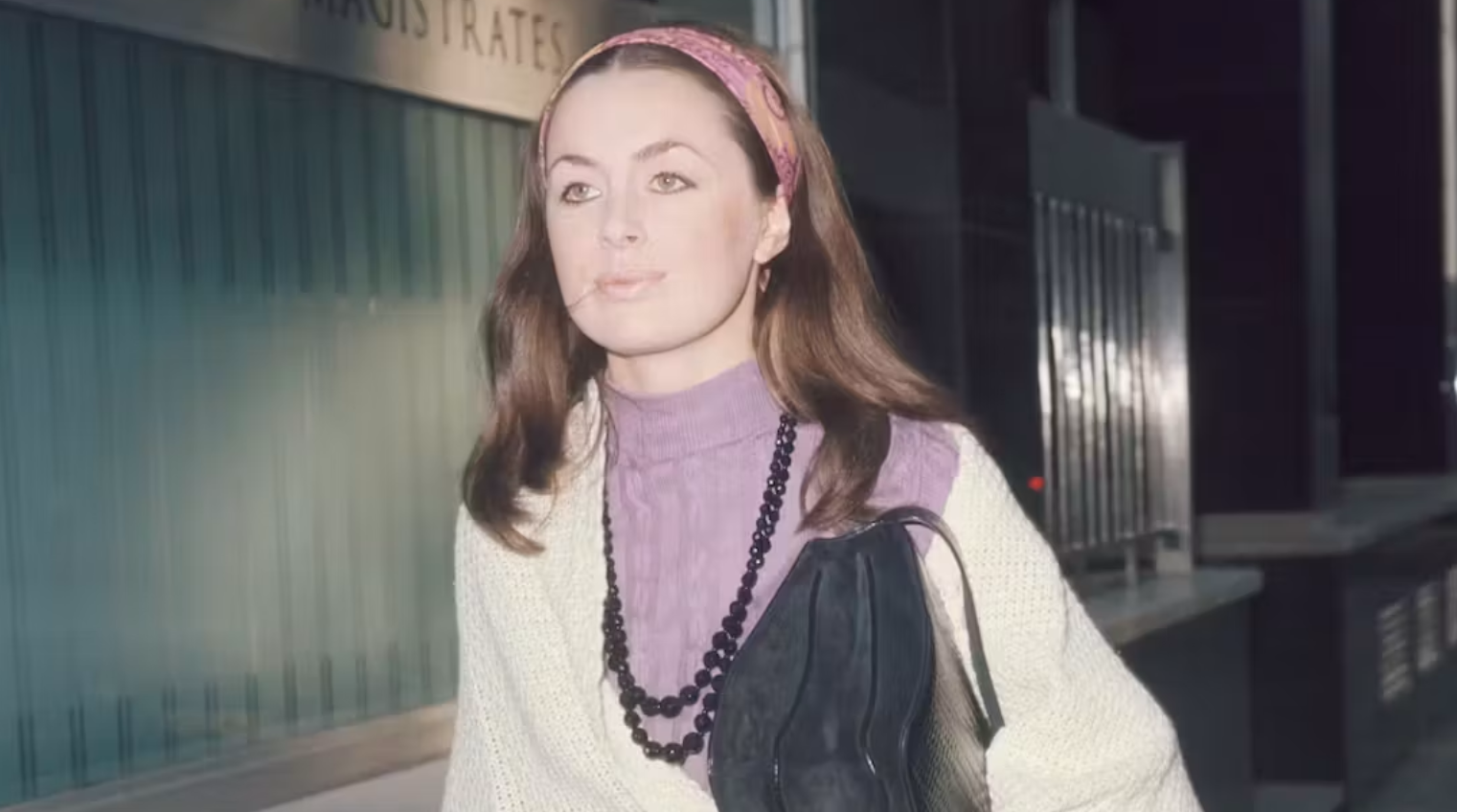
Sheila Buckley is a name that appears in historical discussions of the 1970s British political scandal involving Labour MP John Stonehouse, though she was not a public political figure herself. She worked in a professional capacity as a secretary and became indirectly associated with Stonehouse due to her presence within his professional and personal environment. Over time, her name surfaced in media and historical accounts because of this proximity, even though she was not accused of participating in any criminal activity. The focus on her role largely comes from attempts to reconstruct the network of individuals connected to Stonehouse during the period leading up to his disappearance and subsequent exposure.
The Political Climate of Britain in the 1970s
The political environment in Britain during the 1970s was marked by instability, economic challenges, and declining public trust in government institutions. Rising inflation, industrial strikes, and frequent leadership changes created a sense of uncertainty across the country. Within this atmosphere, political offices operated under significant pressure, with staff often working in fast-paced and demanding conditions where confidential information and urgent decision-making were part of daily life.
This climate also contributed to intense media scrutiny of politicians and their associates. Even individuals working in supportive roles, such as secretaries and assistants, could become indirectly linked to larger political narratives. In the case of Sheila Buckley, her association with figures in this environment meant that her name later appeared in historical discussions, even though she herself was not a policymaker or public political actor.
John Stonehouse and the Disappearance Plot
John Stonehouse was a British Labour MP whose career collapsed after he staged his own disappearance in 1974, attempting to fake his death by leaving clothes on a beach in Miami. His plan was driven by financial difficulties, allegations of fraud, and growing legal pressure, and he hoped to escape to Australia under a false identity. However, the plan quickly unraveled when authorities discovered he was still alive, leading to his arrest and international scandal. The incident became one of the most bizarre political controversies in modern British history, drawing global attention to both his personal life and professional dealings.
Sheila Buckley’s Role in the Case
Sheila Buckley’s involvement in the John Stonehouse story is best understood as indirect rather than central, as she was not part of any criminal planning or deception. Her name appears in accounts of the period because she worked in close professional proximity to Stonehouse and was part of the wider administrative environment surrounding him. This proximity led historians and journalists to mention her when mapping out the individuals connected to his political and personal life during the years leading up to the scandal.
Over time, media coverage and retrospective analyses expanded interest in anyone linked to Stonehouse, even loosely, which contributed to Buckley’s name being repeatedly referenced. However, there is no evidence that she played a role in his disappearance plot or legal issues. Instead, her connection highlights how individuals in supporting roles can become associated with major political events simply through workplace association and historical reconstruction of events.
Media Attention and Public Reaction
When the John Stonehouse scandal broke, it quickly became front-page news across Britain and internationally, with intense media interest in every person connected to the case. The unusual nature of a sitting MP faking his own death captured public imagination, and journalists worked to trace his movements, relationships, and professional network in detail. As a result, even individuals with only indirect connections, such as Sheila Buckley, found their names appearing in reporting and commentary as part of efforts to piece together the full story.
Legal and Political Aftermath
The legal aftermath of the John Stonehouse scandal unfolded through a series of investigations, trials, and parliamentary consequences that ultimately led to his conviction for fraud and related offenses. After being discovered alive in Australia and extradited back to the United Kingdom, Stonehouse faced charges that exposed years of financial irregularities and deceptive practices. His trial confirmed that the disappearance attempt was part of a broader pattern of misconduct rather than an isolated act of desperation, resulting in a prison sentence and the collapse of his political career.
Politically, the case caused significant embarrassment for the Labour Party and raised questions about oversight, trust, and accountability within government ranks. Parliamentary procedures were reviewed, and greater attention was placed on monitoring financial conduct among elected officials. While Sheila Buckley herself was not part of any legal proceedings, her name occasionally appeared in retrospective discussions as historians and journalists continued mapping the personal and professional networks surrounding Stonehouse’s activities.
How the Scandal Was Portrayed in Modern Media
In modern media, the John Stonehouse scandal has been revisited through documentaries, dramatizations, and historical analyses that aim to unpack both the political and personal dimensions of the case. Television adaptations tend to emphasize the dramatic elements of deception, identity change, and international pursuit, often framing Stonehouse as a complex figure driven by ambition and desperation. These portrayals also revisit the supporting individuals around him, but usually in a limited way, reflecting their secondary role in the main narrative.
Legacy of the Story and What We Know Today
The legacy of the John Stonehouse scandal remains one of the most unusual episodes in British political history, often cited as a case study in political deception, identity fraud, and institutional failure. It continues to attract public interest because it blends real political power with personal downfall, creating a story that feels almost fictional despite being well documented. Over time, historians have clarified the sequence of events, separating confirmed facts from speculation, which has helped provide a more accurate understanding of what actually happened and who was genuinely involved.
Today, Sheila Buckley’s name is remembered mainly within this broader historical context, not as a central participant but as part of the extended environment surrounding Stonehouse. Modern analysis tends to emphasize the importance of avoiding over-association of minor figures in major scandals, especially when evidence of direct involvement is absent. The case continues to serve as a reminder of how political history can draw in many peripheral individuals, whose roles are often overstated by media attention and retrospective storytelling.
Conclusion
The story of Sheila Buckley and her connection to the John Stonehouse scandal highlights how individuals working in ordinary professional roles can become indirectly associated with major political events. While Buckley was not a central figure in the scandal or involved in any wrongdoing, her proximity to Stonehouse during a turbulent period in British politics led to her name appearing in historical and media accounts. The case itself remains one of the most extraordinary political scandals in the UK, combining deception, international intrigue, and dramatic personal downfall, while also showing how public attention can extend far beyond the main actors involved.
FAQs
1. Who is Sheila Buckley?
Sheila Buckley is a secretary who was indirectly linked to Labour MP John Stonehouse during the 1970s political scandal.
2. Was Sheila Buckley involved in the Stonehouse disappearance?
No, there is no evidence that she was involved in any criminal activity or planning.
3. Why is Sheila Buckley mentioned in the scandal?
Her name appears due to her professional proximity to John Stonehouse and historical documentation of his associates.
4. What is the John Stonehouse scandal about?
It involves a British MP who faked his own death in 1974 before being discovered and convicted for fraud-related offenses.