info.richporter@gmail.com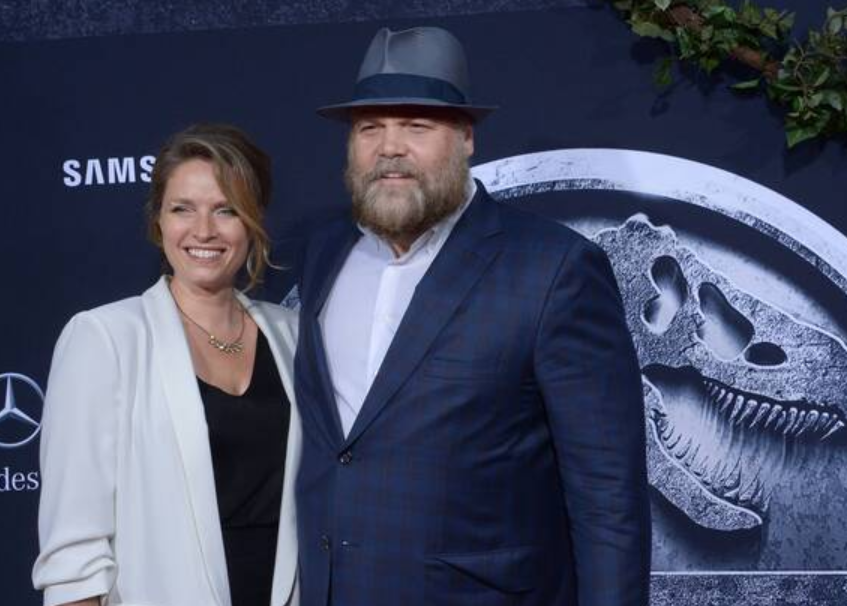
Carin van der Donk was born and raised in the Netherlands, where she grew up in an environment shaped by strong artistic and cultural influences. While detailed public information about her childhood is limited, it is widely noted in biographical sources that she developed an early appreciation for visual expression, which later aligned with her work in modeling and photography. Growing up in a country known for its art museums, design culture, and fashion-forward sensibilities likely played a subtle but important role in shaping her creative instincts. This early foundation helped her build confidence in visual presentation, eventually guiding her toward a career that would span both the fashion and photography industries.
Modeling Career Beginnings
Carin van der Donk began her entry into modeling during a time when European fashion talent was increasingly being recognized on the international stage. She stepped into the industry through the typical early pathways of modeling work, which often includes agency representation, test shoots, and smaller editorial assignments. These initial experiences allowed her to build a professional portfolio while learning how to work in front of the camera under different creative directions. Like many models starting out, her early career focused on developing versatility and adapting to the fast-paced expectations of fashion photography.
As her experience grew, she became more comfortable within professional shoots and collaborative creative environments, which helped her gain steady work in the modeling field. This phase of her career was important not just for exposure, but also for understanding how photographers, stylists, and brands shape visual storytelling. Working closely within these settings gave Carin van der Donk valuable insight into composition, lighting, and mood creation—skills that would later influence her transition into photography.
Rise in Fashion Industry
As Carin van der Donk continued gaining experience in modeling, she gradually moved into more polished and professional fashion work that reflected the evolving standards of the industry. This stage is often where a model’s presence becomes more defined, and for her, it meant participating in higher-quality editorial shoots and fashion collaborations that required stronger creative expression. The fashion industry at the time was highly competitive, but it also offered opportunities for models who could adapt their look and performance to different artistic directions, which helped her stand out within her niche.
Transition to Photography
The transition of Carin van der Donk from modeling to photography marked a natural evolution in her creative journey rather than an abrupt career change. After spending time in front of the camera, she developed a deeper understanding of how images are constructed, from lighting and framing to emotion and storytelling. This perspective often inspires models to explore photography themselves, as they gain firsthand awareness of how visual narratives are shaped. For Carin, this shift allowed her to move from being the subject of images to becoming the creator behind them, giving her greater control over artistic expression.
As she explored photography more seriously, she began focusing on capturing portraits and intimate visual moments that reflect mood and personality. This transition also allowed her to apply her modeling experience in a practical way, communicating effectively with subjects and understanding how to bring out natural expressions. Carin van der Donk’s move into photography highlights a common but meaningful transformation in the fashion world, where industry experience evolves into independent creative practice.
Personal Life and Marriage to Vincent D’Onofrio
Carin van der Donk gained broader public attention through her relationship with American actor Vincent D’Onofrio, known for his work in film and television. The couple married in 1997, marking the beginning of a long-term personal partnership that would later experience both separation and reconciliation. Their relationship has often been described as private compared to typical Hollywood standards, with both individuals maintaining a relatively low-key public presence despite their careers in the entertainment and creative industries.
Artistic Style and Photographic Work
As Carin van der Donk developed her photography practice, her artistic style began to reflect a strong emphasis on natural expression and emotional subtlety. Rather than focusing on highly staged or commercial aesthetics, her approach is often associated with intimate portraiture and candid visual storytelling. This direction aligns with photographers who prioritize authenticity over perfection, capturing subjects in ways that feel organic and grounded. Her background in modeling likely influenced this perspective, giving her a unique sensitivity to how people behave in front of the camera and how to guide them toward more natural poses and expressions.
In her photographic work, attention to mood, lighting, and composition plays a central role. The visual tone is often described as understated yet emotionally present, suggesting a preference for storytelling through quiet details rather than dramatic visual effects. Carin van der Donk brings a model’s understanding of aesthetics into her photography, allowing her to balance technical framing with human expression. This blend of experience helps her create images that feel both personal and artistically composed, reflecting a seamless transition from subject to visual storyteller.
Public Image and Media Attention
Carin van der Donk maintains a relatively low public profile compared to many individuals connected to the entertainment industry. Most media attention surrounding her comes indirectly through her marriage to actor Vincent D’Onofrio rather than from large-scale public exposure in modeling or photography. Despite this, she is often portrayed in entertainment coverage as a creative professional who prefers privacy and focuses more on personal artistic work than public visibility.
Legacy and Continued Influence
The legacy of Carin van der Donk is best understood not through widespread fame, but through her quiet contribution to two closely connected creative fields: modeling and photography. Her journey reflects a common yet meaningful path where professionals in front of the camera gradually evolve into creators behind it. This transition highlights an important aspect of the fashion and visual arts industries—experience gained as a model can deeply inform a more thoughtful and empathetic approach to photography. In that sense, her career represents a full-circle creative evolution that blends observation with expression.
Her continued influence lies in the example she sets for creative adaptability. Rather than being defined by a single role, Carin van der Donk demonstrates how artistic identity can shift over time while remaining rooted in visual storytelling. While she may not be a mainstream public figure, her work and career path reflect the broader reality of many artists who contribute meaningfully without widespread recognition. This understated presence itself becomes part of her legacy, emphasizing authenticity, privacy, and creative independence in an industry often driven by visibility.
Conclusion
Carin van der Donk represents a creative journey that moves naturally from modeling into photography, shaped by experience, observation, and artistic curiosity. Her career highlights how working in front of the camera can eventually lead to a deeper understanding of visual storytelling behind it. While she is widely recognized in public discussions through her connection to actor Vincent D’Onofrio, her own path reflects steady creative development rather than celebrity-driven visibility. Across both modeling and photography, her work emphasizes simplicity, emotion, and authenticity, offering a grounded example of how artistic careers can evolve over time without relying on mainstream fame.
FAQs
1. Who is Carin van der Donk?
She is a Dutch-born former model and photographer, also known for her marriage to actor Vincent D’Onofrio.
2. What did Carin van der Donk do professionally?
She worked as a model before transitioning into photography, focusing mainly on portrait-style work.
3. Is Carin van der Donk still active in photography?
She maintains a private life, so detailed public updates about her current projects are limited.
4. When did Carin van der Donk marry Vincent D’Onofrio?
They married in 1997 and later experienced separation and reconciliation over the years.