info.richporter@gmail.com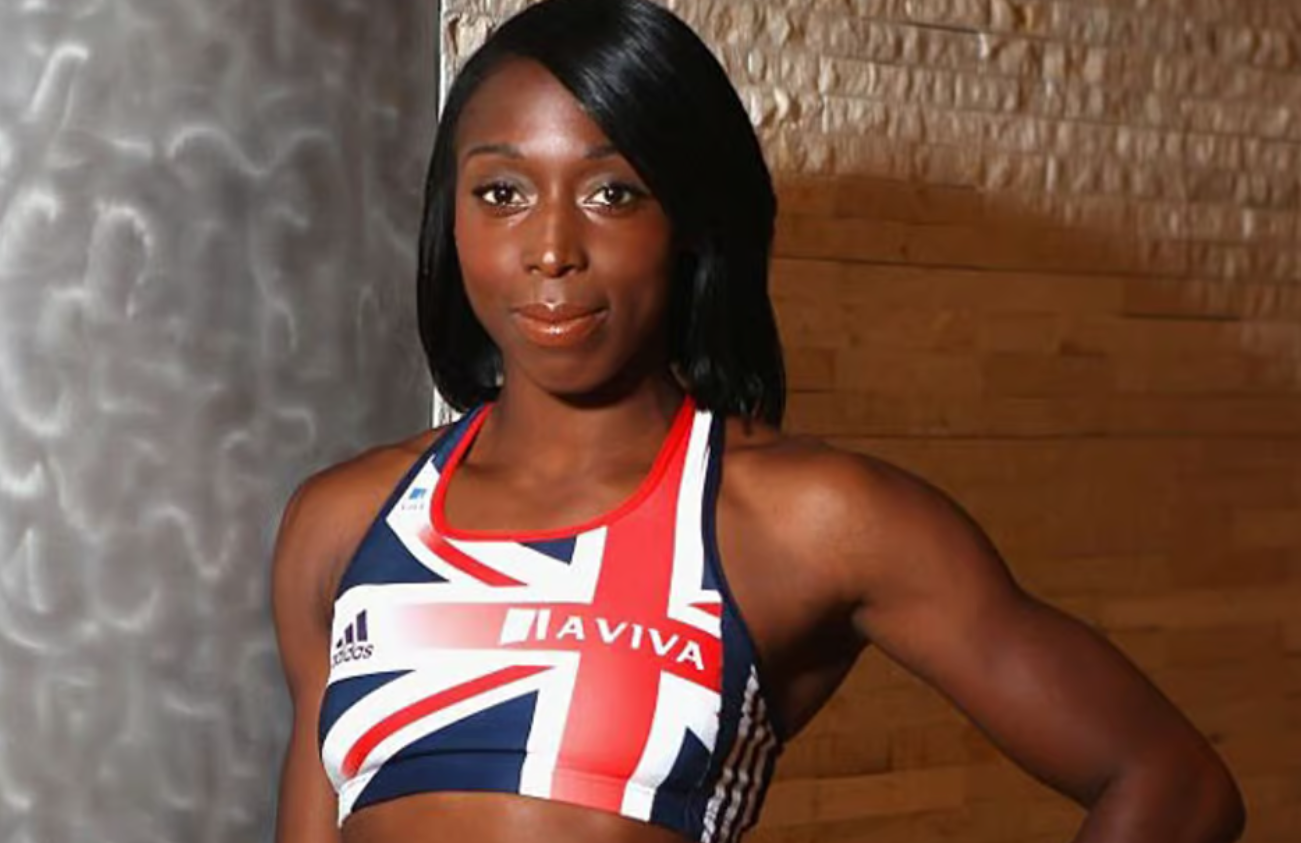
Jeanette Kwakye’s rise to prominence began with her steady progression through the ranks of British sprinting, where her natural speed and disciplined work ethic quickly set her apart from many of her peers. As she matured into a competitive athlete, she began to establish herself as a serious contender in national sprint events, gaining recognition for her sharp starts and strong acceleration in the 60m and 100m disciplines. Her performances at domestic competitions helped her earn selection for international meets, marking the beginning of her journey onto the global athletics stage. Over time, she became known not just for her speed but also for her composure under pressure, a trait that would later define both her athletic and broadcasting careers.
Early Life and Athletic Beginnings
Jeanette Kwakye’s early life in London played an important role in shaping her future as both an athlete and a public figure, as she grew up in an environment where discipline and ambition were strongly encouraged. From a young age, she displayed a natural interest in sports, particularly running, where her speed and competitive spirit quickly became noticeable among her school peers. This early exposure to athletics gave her the confidence to pursue sprinting more seriously as she progressed through her education.
As she moved into higher education at Loughborough University, known for its strong sporting culture, Kwakye was able to refine her talent under professional coaching and structured training programs. This stage of her life was crucial, as she transitioned from a promising young athlete into a more focused and technically skilled sprinter. The combination of academic commitment and high-performance training helped her build the foundation needed to compete at national and international levels.
Breakthrough in Professional Sprinting
Jeanette Kwakye’s breakthrough in professional sprinting came when she began consistently delivering strong performances in national competitions, establishing herself as one of the leading British female sprinters in the 60m and 100m events. Her sharp acceleration off the blocks and ability to maintain top-end speed made her a serious contender against more experienced athletes, earning her selection for major international championships. This period marked a turning point in her career, as she moved from being a developing athlete to a recognized name on the British athletics scene, laying the groundwork for her future success on the world stage.
Olympic Journey and Global Recognition
Jeanette Kwakye’s Olympic journey reached its peak at the 2008 Beijing Games, where she made history by reaching the women’s 100m final, one of the most competitive events in track and field. Her performance was a major milestone, as she became one of the few British sprinters to compete at that level on the global stage. Running against the fastest women in the world, she delivered a strong and composed performance that earned her a place among the top sprinters internationally, solidifying her reputation as an elite athlete.
Beyond the Olympics, Kwakye’s participation in global competitions such as World Championships and European events further enhanced her recognition in athletics. She became known for her consistency, professionalism, and ability to perform under pressure in high-stakes races. Her Olympic appearance not only elevated her sporting profile but also opened doors for future opportunities, as it established her as a respected figure in British athletics and a role model for aspiring sprinters.
Transition from Athletics to Broadcasting
After retiring from professional athletics due to recurring injuries and the physical demands of elite sprinting, Jeanette Kwakye made a thoughtful transition into sports broadcasting, a move that allowed her to stay closely connected to the world of athletics while building a new professional identity. Rather than stepping away from sports entirely, she leveraged her first-hand experience as an Olympian to offer insightful analysis, joining broadcasting platforms where her knowledge of sprinting mechanics, competition pressure, and athlete psychology quickly stood out. This shift marked the beginning of a new chapter, where her credibility as a former elite athlete helped her establish trust and authority in sports media.
Rise as a BBC Sports Presenter
Jeanette Kwakye’s rise as a BBC Sports presenter was driven by her ability to combine expert athletic insight with clear, engaging communication, making her a valuable voice in sports broadcasting. As she began working with major media outlets, including BBC Sport, she quickly gained recognition for her confident on-screen presence and her ability to break down complex athletic performances into easy-to-understand analysis for viewers. Her background as an Olympic sprinter gave her a unique advantage, allowing her to speak with authority and authenticity when covering track and field events.
Over time, Kwakye became a familiar face during major sporting events such as the Olympic Games and World Athletics Championships, where she contributed to live coverage, interviews, and expert commentary. Her professionalism and calm delivery helped her stand out in a competitive media landscape, leading to expanded roles across television and radio. This steady rise solidified her reputation not only as a former athlete but also as a respected sports broadcaster representing one of the UK’s most trusted media organizations.
Impact on Women in Sports Media
Jeanette Kwakye has played an important role in reshaping the visibility and representation of women in sports media, particularly in fields that have traditionally been dominated by men. By stepping into high-profile broadcasting roles at major networks like the BBC, she has helped challenge long-standing stereotypes about who can lead sports coverage and analysis. Her presence on screen demonstrates that former female athletes can successfully transition into authoritative media figures while maintaining credibility and influence in the sporting world.
Legacy and Continuing Influence
Jeanette Kwakye’s legacy is defined by her rare ability to excel in two demanding careers—elite sprinting and professional sports broadcasting—while maintaining authenticity and credibility in both. As a former Olympic finalist, she remains part of British athletics history, remembered for her performance on one of the biggest sporting stages in the world. However, her influence extends far beyond her racing career, as she has successfully built a second life in media that continues to shape how audiences understand and engage with sport.
Today, Kwakye continues to influence both athletes and viewers through her broadcasting work, offering expert analysis and thoughtful commentary during major global events. Her journey demonstrates the long-term value of adaptability, showing that life after elite sport can be equally impactful when guided by passion and expertise. As she remains active in sports media, her story continues to inspire both current athletes and aspiring presenters who see her as a model of reinvention and sustained excellence.
Conclusion
Jeanette Kwakye’s journey from an Olympic sprint finalist to a respected BBC Sports presenter highlights a powerful story of transformation, discipline, and long-term reinvention. Her success on the track established her as one of Britain’s standout sprinters, while her smooth transition into broadcasting proved her ability to evolve beyond athletics without losing her sporting identity. Today, Jeanette Kwakye represents excellence in both performance and communication, showing how elite athletes can successfully build meaningful careers after retirement by using their experience, voice, and knowledge in new ways.
FAQs
1. Who is Jeanette Kwakye?
She is a British former Olympic sprinter and current sports broadcaster known for her work with BBC Sport.
2. What is Jeanette Kwakye famous for in athletics?
She is best known for reaching the 100m final at the 2008 Beijing Olympics.
3. Why did Jeanette Kwakye retire from sprinting?
She retired due to recurring injuries that affected her ability to compete at the highest level.
4. What does Jeanette Kwakye do now?
She works as a sports presenter and commentator, mainly with BBC Sport.